Area Codes
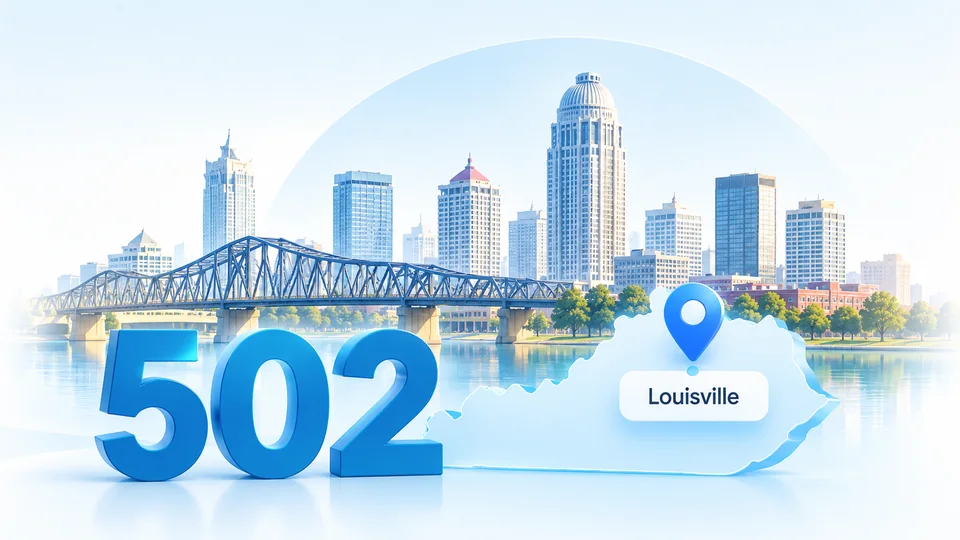
Kentucky has approved 761 to overlay 502, but it is not in service and no date is fixed — the industry deferred the plan in August 2025. What is settled, what is still an estimate, and what ten-digit dialing will break.
Area Codes
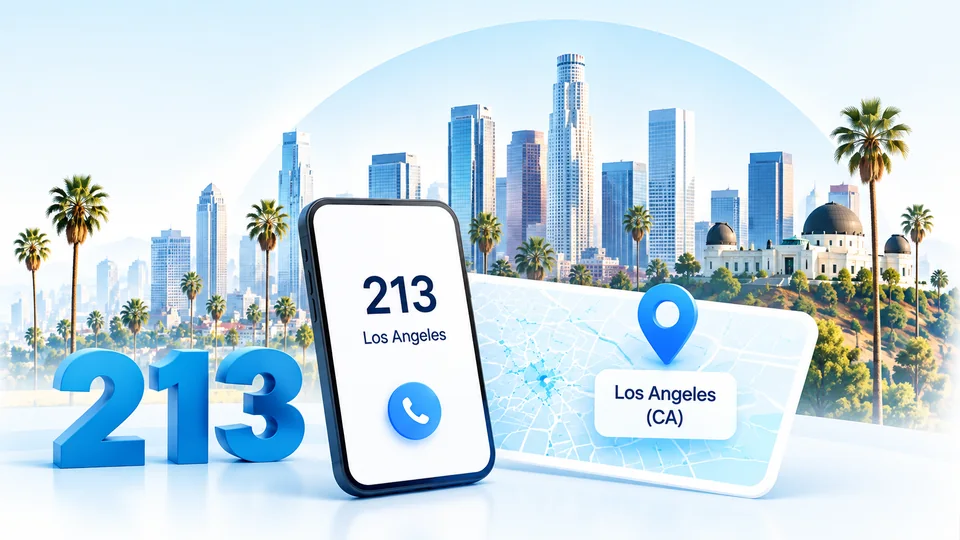
Where 213 is used today, how it shares one Los Angeles region with 323 and 738, how to dial it, and what the area code cannot tell you about a caller.
AI & Automation AI·IVR
AI & Automation
Natural language processing lets callers state their intent rather than navigate menus. Learn how AI-driven routing differs from traditional IVR and what to evaluate before deploying it.
Infrastructure SIP
Infrastructure
SIP trunking replaces physical PRI phone lines with internet-based voice channels. This article explains how SIP works, the cost considerations, and what to look for in a provider.
Contact Center 5 fixes
Contact Center
Call abandonment measures how many inbound callers disconnect before reaching an agent. Here are five practical approaches contact centres use to reduce it.
Cloud Architecture UCaaS·PBX
Cloud Architecture
UCaaS delivers phone system capabilities from the cloud. On-premise PBX keeps the infrastructure in-house. Compare both approaches across cost, scalability, and resilience.
Industry Insights Cloud
Industry Insights
AI-assisted routing, omnichannel customer journeys, and tighter CRM integration are changing how businesses manage voice and messaging. Here's what to understand.
Contact Center NPS·CSAT·CES
Contact Center
The formulas for Net Promoter Score, Customer Satisfaction Score, and Customer Effort Score — with worked examples and a guide to when each metric applies.
Industry Insights 2027·Trends
Industry Insights
AI agents handling tier-1 contacts, omnichannel routing, and platform consolidation — what contact centre buyers need to evaluate heading into 2027.
Infrastructure SIP·vs PRI
Infrastructure
PRI delivers 23 fixed voice channels over a physical circuit. SIP trunking delivers elastic call capacity over IP. How to compare them, when PRI still wins, and how to migrate.
Contact Center Churn
Contact Center
Customer churn often starts in the contact center. First-call resolution, agent quality, and proactive outreach all affect retention — here is how to measure and improve each.
Customer Experience Omni·vs Multi
Customer Experience
Multichannel means being present on many channels. Omnichannel means those channels share context and customer data. The difference, why it matters for CX, and how to transition.
Infrastructure VoIP·vs Landline
Infrastructure
Cost, call quality, reliability, and flexibility compared — with a side-by-side table. For most businesses evaluating a phone system today, the direction of travel is clear.
Contact Center Training
Contact Center
From structured 30/60/90-day onboarding to call recording-based coaching and ongoing QA — a practical training framework for contact center managers.
Contact Center Scripts
Contact Center
Practical call center scripts for openings, hold, transfers, objection handling, complaint de-escalation, and closings — with example phrases agents can actually use.
AI & Automation AI·Voice
AI & Automation
AI call center agents handle inbound calls and chat autonomously — no human needed for routine enquiries. How they work, what they can and can't do, and when to use them.
Compliance & Trust Spam·STIR
Compliance & Trust
Your outbound calls are being labeled Spam Likely or Scam Risk by carriers. Here's why it happens, the systems behind it, and what you can do to fix it.
VoIP & Infrastructure SIP·Setup
VoIP & Infrastructure
Step-by-step guide to setting up a SIP trunk — from choosing a provider to configuring your IP-PBX or UCaaS platform for inbound and outbound calls.
VoIP & Infrastructure SIP·Providers
VoIP & Infrastructure
What to look for in a SIP trunk provider — codec support, STIR/SHAKEN attestation, channel limits, pricing models, and what questions to ask before signing up.
Contact Center VoIP·CCaaS
Contact Center
VoIP is the foundation of every modern call center. How call center VoIP works, what features matter, and how to choose between cloud CCaaS and self-hosted.
Contact Center Cloud·On-Prem
Contact Center
Cloud contact center vs on-premise: cost, maintenance, scalability, remote work, and AI features compared side by side. Which is right for your operation in 2026?
Contact Center WFM·Operations
Contact Center
Workforce management for contact centers: forecasting call volume, scheduling agents, monitoring real-time adherence, and the KPIs that keep service levels on target.
Contact Center Omnichannel·CX
Contact Center
Omnichannel customer service means delivering a consistent experience across voice, chat, email, and SMS — with full context at every touchpoint. Here's how it works.
Cloud Telephony Cloud PBX·Infrastructure
Cloud Telephony
Cloud PBX replaces on-premise phone systems with software hosted in the cloud. How it works, what features it includes, and whether it is right for your business.